
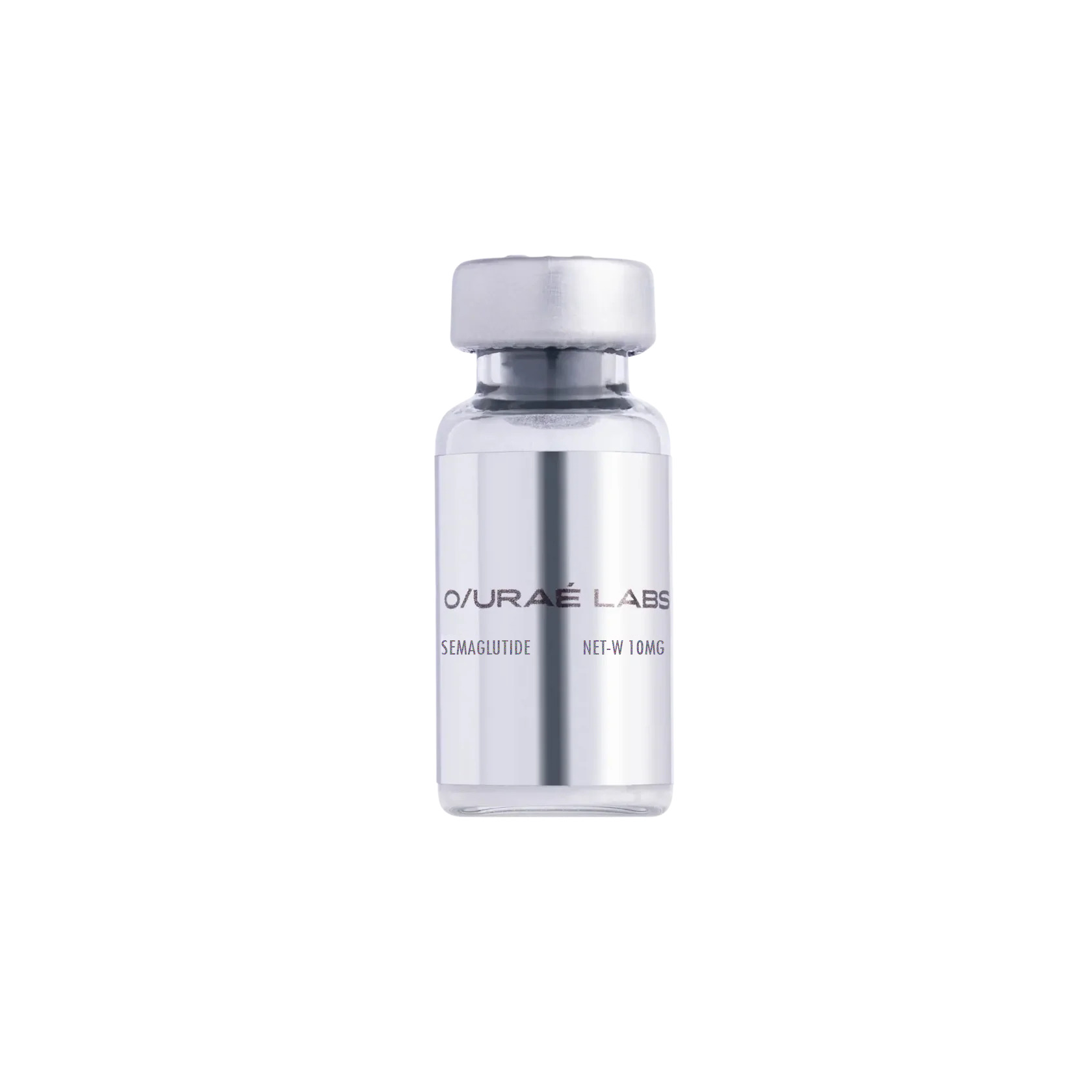
Semaglutide
Semaglutide is a man-made version of a hormone our body already makes called GLP-1. Normally, GLP-1 is made in the gut after eating. It tells the pancreas to release insulin and helps keep sugar levels steady.
Scientists use Semaglutide in research because it can copy this natural process.
This helps them study conditions like diabetes, obesity, and metabolism more closely.
Chemical Properties
| Property | Description |
| CAS Number | 910463-68-2 |
| Molar Mass | 4113.64 g/mol |
| Chemical Formula | C187H291N45O59 |
| Type | GLP-1 Receptor Agonist Peptide |
How it works
Semaglutide works by binding to special spots in the body called GLP-1 receptors. These receptors are found in the pancreas, brain, and stomach. When Semaglutide binds to them, it can:
- Tell the pancreas to release insulin when sugar levels rise.
- Slow down how fast food leaves the stomach (so the body feels full longer).
- Lower the release of glucagon.
- Affect signals in the brain that control hunger.
Research and Benefits
Animal and laboratory studies show that Semaglutide may:
- May control blood sugar and keep it more stable.
- May support weight management by reducing appetite.
- May lower blood pressure and support heart health in diabetic test models.
- May protect brain cells and support learning in animal research.
- Possibly reduce damage to eyes, nerves or kidneys in diabetic models.
These are not proven in humans.
FAQs
Does Semaglutide cause side effects?
In animal studies, some models showed mild nausea or slower digestion. More research is needed.
Can it be used for weight loss?
Some studies show it may reduce appetite and body weight in animals, but it’s not for human or dietary use.


Reviews
There are no reviews yet.